Hey, User !
Hey, User !
Welcome to SayaCare! 👋FREE delivery on 1st order — Use coupon: TESTME101


आर्थराइटिस से परेशान हैं? जानिए इसका उपाय।

Follow Us For More




Content Writer
Published on 3-6-2026
•7 min read
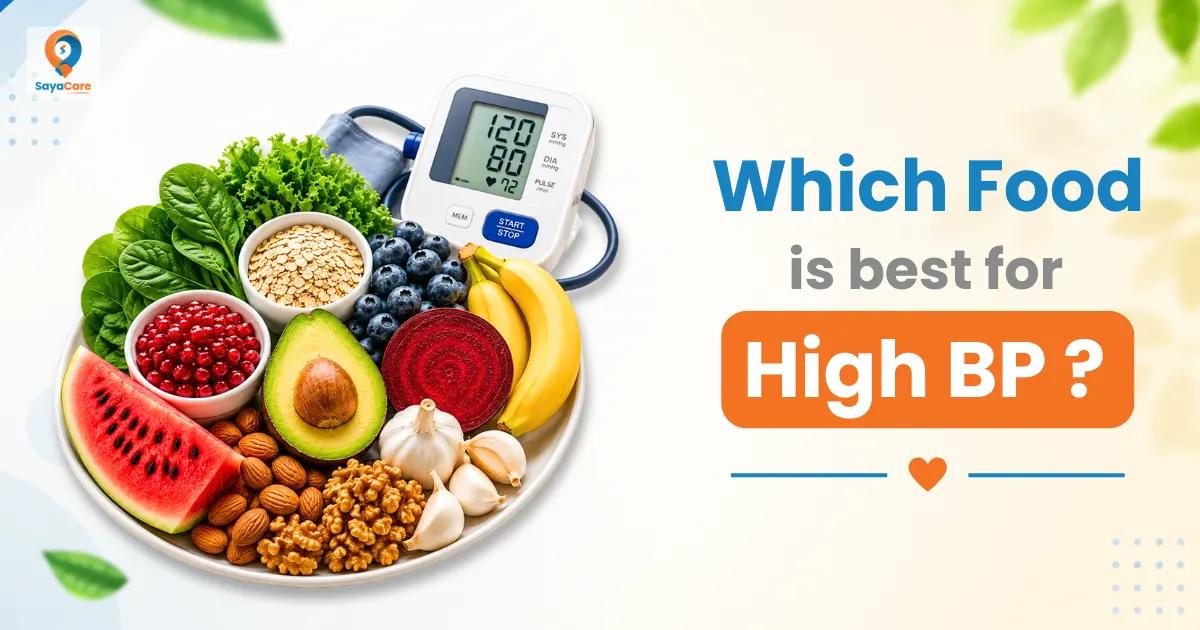
Table of Contents
In India, roughly 20-25% of people have high blood pressure [1]. As soon as a person is diagnosed with high blood pressure, one question often comes to mind: Do I need to take medications for life? The short answer is no. In fact Studies suggest that diet and lifestyle changes can reduce the dependency on medications in patients with high blood pressure. [2, 3]. However, when it comes to diet modification, people generally focus only on reducing sodium intake. But including potassium rich foods is equally important as reducing sodium salt intake.
In this blog, you will learn what high blood pressure is, its causes, and how low sodium intake along with potassium rich foods may help in managing blood pressure. Read to know more.
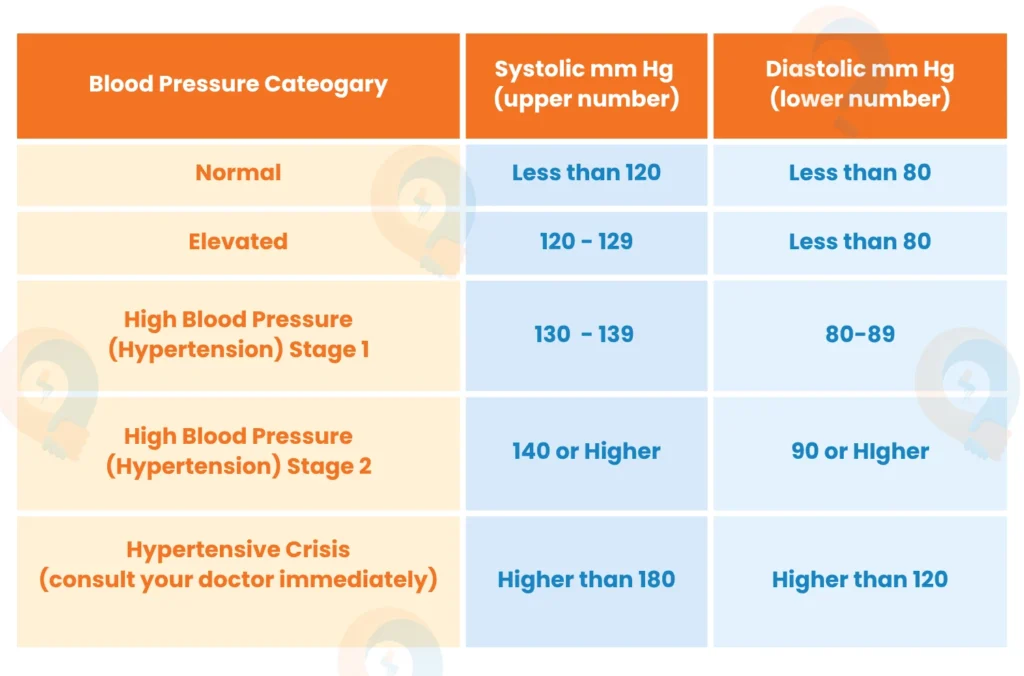
High blood pressure is a condition in which blood is pushed against the walls of the arteries with very high pressure. When blood flows through the body with such high pressure, the risk of damage to organs can increase.
Below is a chart showing which blood pressure levels are considered normal, low, and high.
Click to Explore Our Heart Medications
If you think blood pressure rises on its own, you are mistaken, lifestyle plays a significant role, along with the levels of sodium and potassium in our body. To understand their role in blood pressure, let us move to the next section……..
Role of Sodium in BP- Sodium, which is commonly present in salt, tends to hold extra water in the body. This increases the amount of fluid in blood vessels and raises blood pressure.
Role of Potassium in BP– Potassium helps reduce the effects of sodium in the body by removing excess sodium and water. This may help lower blood pressure levels [4] .
Because of this, intake of low sodium foods is considered beneficial for people with high blood pressure. According to the WHO, adults are recommended to consume less than 2000 mg of sodium per day, which is equal to less than 5 g of salt or just under one teaspoon. For children aged 2 to 15 years, WHO recommends adjusting this amount according to their energy requirements.
The American Heart Association (AHA) also recommends that people with high blood pressure consume around 3500 mg to 5000 mg of potassium daily.
If you are looking for the best Indian food for high blood pressure with around 5000 mg of potassium for one person in a day, here is one option:
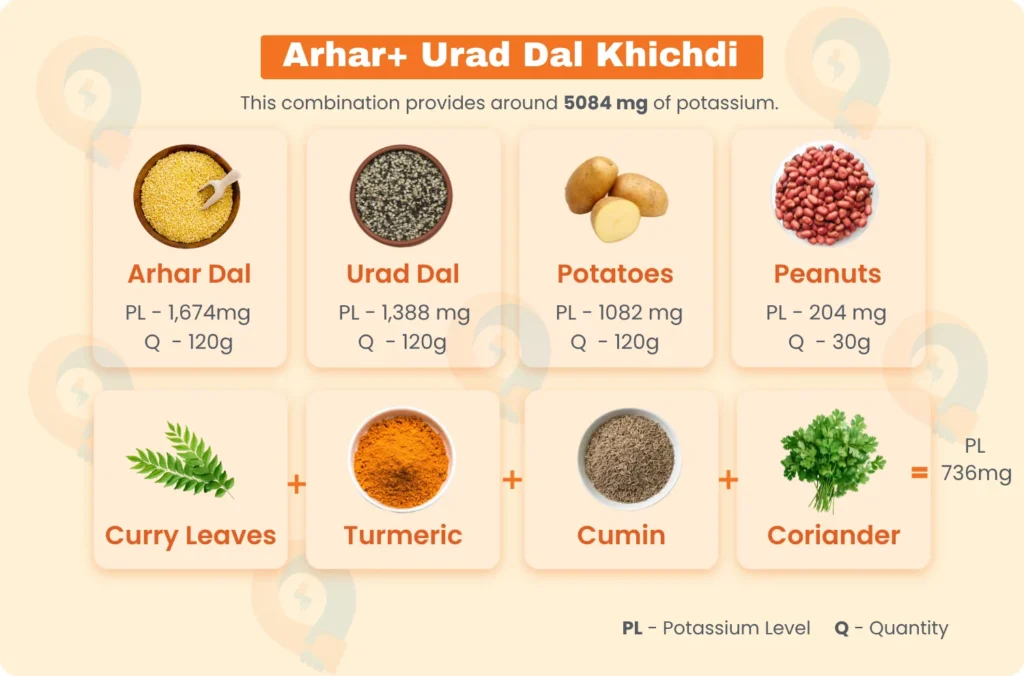
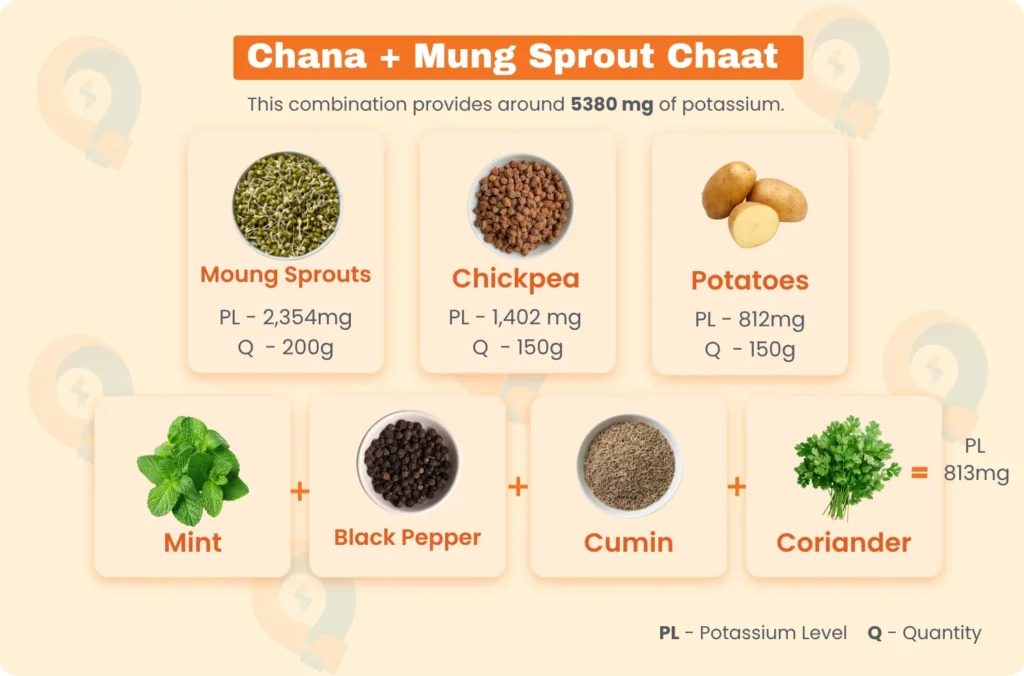
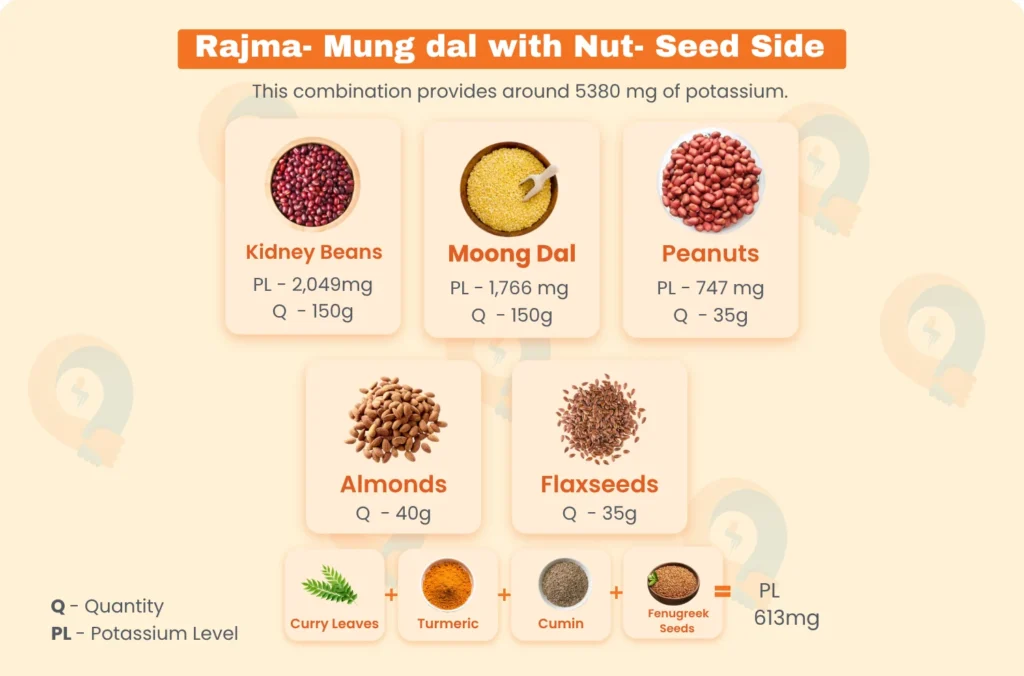
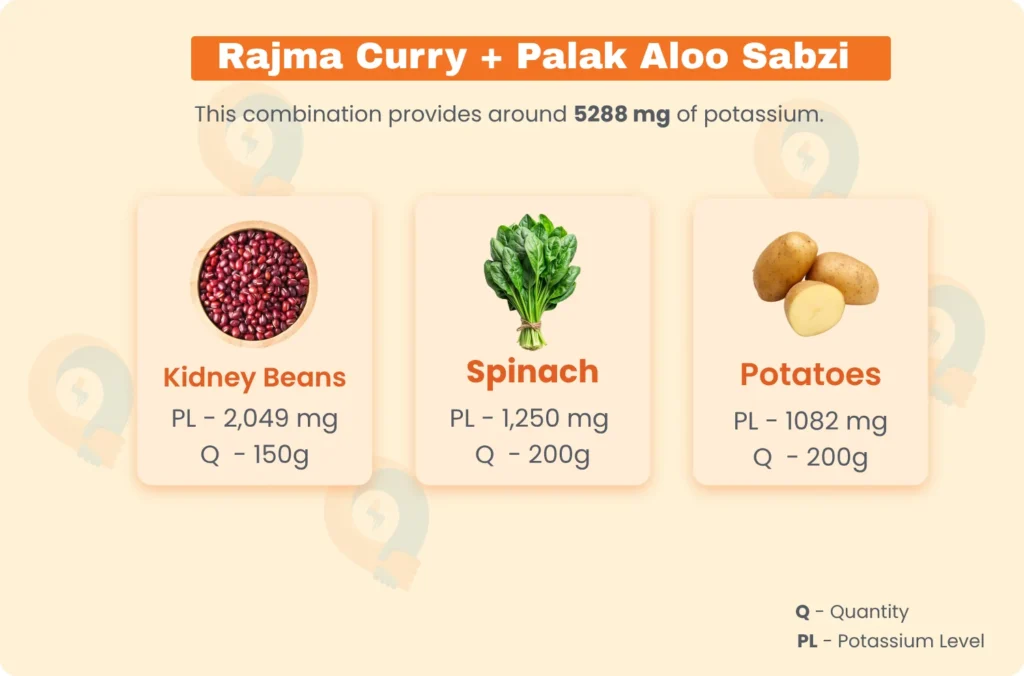
For Sabzi
In the next section, there is a list of Indian food for high blood pressure and their potassium values.
Below is a list of Indian food items along with their potassium content [5].
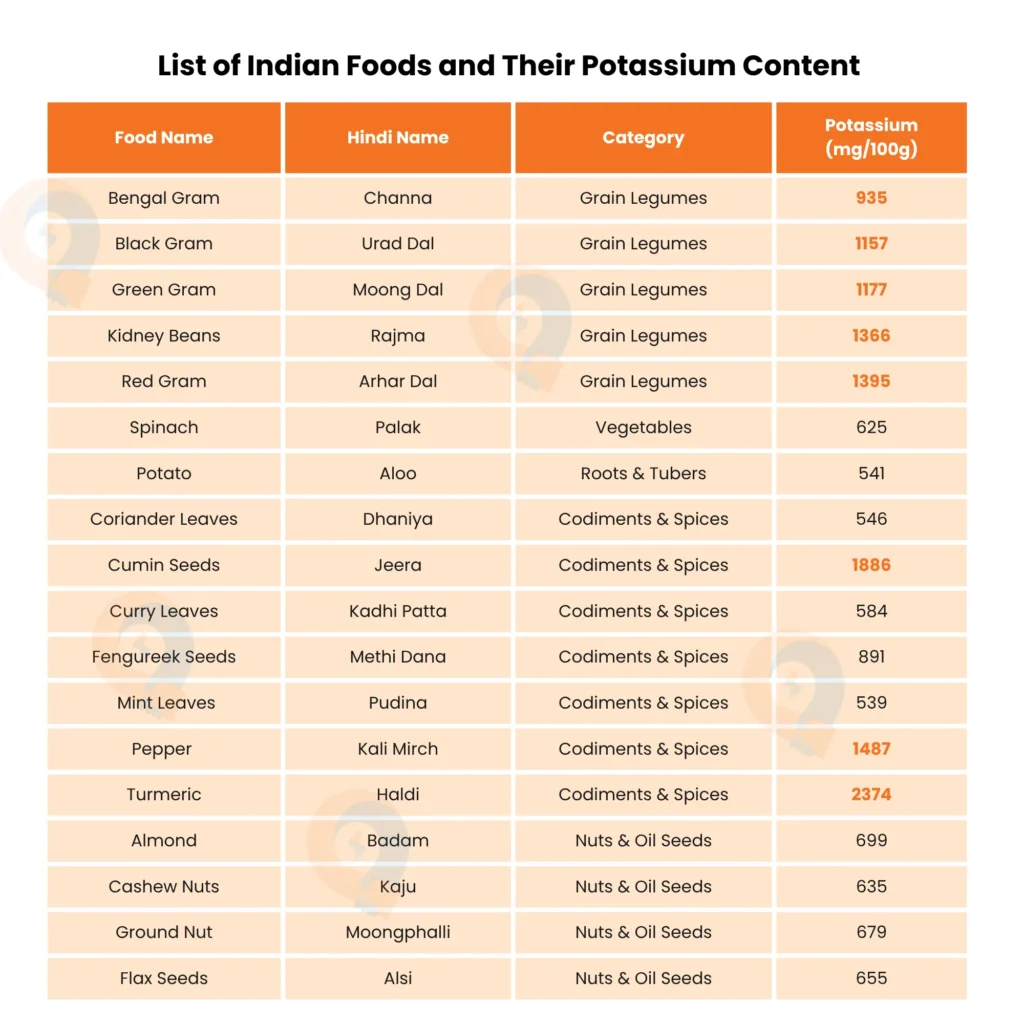
Indian foods that contain a high amount of potassium ranging from 1157 mg to 2374 mg include Urd dal (Black gram), Mung (Green gram), Rajma, Arhar dal (Red gram), Kali mirch (Pepper), Jeera (Cumin seeds), and Haldi (Turmeric). Potassium ranging from 500 mg to 1000 mg include Chana (Bengal gram), Palak (Spinach), Dhaniya patta (Coriander leaves), Kadi patta (Curry leaves), Methi dana (Fenugreek seeds), Badam (Almond), Kaju (Cashew nut), Moongphali (Groundnut), Alsi (Flax seeds), and Aloo (Potato).
High blood pressure can be managed effectively with the right lifestyle choices. Reducing sodium intake is the first step, but it works best when combined with a diet rich in potassium.
The good news is that potassium-rich foods are not hard to find. They are already a staple of Indian kitchens. Everyday ingredients like arhar dal, rajma, palak, jeera, and haldi can meaningfully support blood pressure management when eaten consistently as part of a balanced diet.
Small, sustainable changes in your daily routine can add up over time. If you have been diagnosed with high blood pressure, speak with your doctor before making significant dietary changes, as individual needs vary.
Managing blood pressure takes time and consistency, but with the right foods on your plate, you are already moving in the right direction.
Also Read:
Table of Contents