
Hey, User !
Hey, User !
Welcome to SayaCare- India's only E-pharmacy that Tests every Batch👋FREE delivery on 1st order — Use coupon: TESTME101


🔥709 People bought recently
Per unit price
₹ 0.4/tablets
Quality Lab Tested
This batch has been verified!
ecosprin 75 tablet
₹ 5
aspijaj 75mg tablet
₹ 50
low dose aspirin
₹ 5
ecospirin
₹ 6
m spirin
₹ 67
asa
₹ 4
vasoprin
₹ 43
asa 75mg tablet
₹ 4
asprin tablet dt
₹ 5
asa
₹ 10
You pay for the medicine, not the brand name
Lab Tested Quality
Transparent Test Report
| Uses | 1- To treat chest pain (Angina) 2- To prevent heart attack 3-To treat and prevent stroke |
| Common Side Effects | 1- Daily intake can lead to hemorrhagic stroke 2- Daily intake increases the risk of gastrointestinal bleeding |
| Additional Information | Drinking alcohol while taking aspirin can increase the risk of developing stomach ulcers. |
| Storage | 1- The medicine should be stored at room temperature 2- Keep away from sunlight and moisture 3- Keep away from the reach of children |
| How to Take This Medicine | The medicine should be taken orally |
Aspirin 75 mg is taken orally and belongs to the non-steroidal anti-inflammatory drug (NSAID) class of medicine. It is approved for the treatment of chest pain, heart attack, and stroke.
You should take this medicine as instructed by your doctor, either before or after meals or before or after sleep. Side effects of this medicine may include indigestion, stomach aches, and excessive bleeding. Do not stop taking this medicine unless advised by your doctor.
Inform your doctor if you are allergic or have a peptic ulcer, as they may prescribe an alternative medication in such cases.
Aspirin 75 mg is an oral medicine belonging to the class of non-steroidal anti-inflammatory drugs (NSAID). It is used for the following indications:
Aspirin works by suppressing the action of two protein enzymes in our body, COX-1 and COX-2. These enzymes play a role in forming blood clots and producing pain, swelling (inflammation), and fever. By inhibiting them, aspirin not only reduces pain, inflammation, and fever but also acts as a blood thinner, preventing clot formation and lowering the risk of heart attacks and strokes.
If you are allergic to aspirin, inform your doctor and ask for a substitute.
Aspirin increases the risk of stomach ulcer. If you have pre-existing peptic ulcer, then it can increase the size of the ulcer or can make more perforation in stomachs layer causing more bleeding.
Avoid taking aspirin 75mg with the following medicines, as it may increase or decrease the desired effect, or in worse cases, it could be fatal:
Certain foods taken with aspirin can increase the risk of bleeding, potentially leading to a health emergency. These include bilberry, capsaicin, cat’s-claw, danshen, evening primrose oil, ginkgo, kava, ma-huang, and omega-3 fatty acids (fish oil).
2-Acetoxybenzoic acid
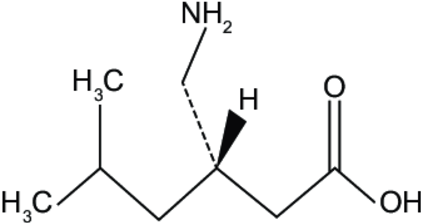
Aspirin is not recommended for daily use without a doctor’s approval as it can cause ulcers in your stomach. A daily low number of aspirin is recommended for the primary prevention of heart attacks or strokes.
If you forget to take your medicine, take the medication soon as you remember. If it’s nearly time for your next dose, skip the missed one and continue with your regular schedule. Always consult the doctor before making any changes to your dosage.
In case a high number of aspirin is ingested, a person may experience symptoms like nausea, vomiting, ringing in the ears, sweating, and fast breathing. In this situation, the person should immediately visit a doctor. The doctor will help by giving activated charcoal, which helps absorb the medicine from the blood.
Taking aspirin helps prevent heart attacks by dissolving blood clots formed in the arteries of your heart. However, taking aspirin daily is not recommended unless prescribed by your doctor.
Aspirin (75-100 mg daily) can help prevent heart attacks, but consult a doctor before use. Generic versions are cost-effective, but quality matters. SayaCare ensures safety by testing all medicines in an NABL-certified lab before selling them.
Aspirin does not directly lower blood pressure, but its blood-thinning properties may contribute to better heart health and could help manage blood pressure indirectly.
If you are at risk of a heart attack, your doctor may recommend taking a low dose of aspirin, typically 75-100 mg daily. In the event of a heart attack, it is advisable to take at least 160-325 mg of aspirin.
Aspirin isn’t recommended for people with peptic ulcers because it can make the problem worse. Aspirin can irritate the stomach lining and reduce the protective layer in the stomach. This makes the stomach more acidic and can increase the risk of bleeding or pain from the ulcer. For someone with a peptic ulcer, taking aspirin could lead to serious stomach issues, like severe pain or bleeding.
When people with asthma or chronic sinus issues with nasal polyps take aspirin, they may experience a condition called NSAID-exacerbated respiratory disease (NERD). This condition is a strong reaction in the airways triggered by aspirin and other similar medications. Symptoms of NERD, such as breathing difficulties, wheezing, or asthma attacks, can appear within 30 minutes to 3 hours after taking aspirin.
Yes, it is safe to take aspirin and paracetamol together, as they do not interact with each other.
Our body has a glue-like chemical called cyclooxygenase-1 (COX-1) that helps platelets stick together to form clots. Aspirin inhibits this glue-like substance, making the platelets less sticky and reducing the risk of clots that can lead to heart attacks and strokes.
No, aspirin does not lower blood pressure.

Written By-
Mahak PhartyalMedical Content writer and reviewer
Bachelors in Pharmacy | 3+ Year experience

Last Updated: 21 Jan 2026
India's OnlyE- Pharmacy
That Tests Every Medicine Batch.
Tested hai, Toh bharosa hai!
Safe medicines
-Rigorously Tested-
Quality Reports
-Full Transparency-
Low Prices
-Save up to 80%-
Home Delivery
-Fast & Reliable-