Hey, User !
Hey, User !
Welcome to SayaCare- India's only E-pharmacy that Tests every Batch👋FREE delivery on 1st order — Use coupon: TESTME101



Medical Content writer

Medical Reviewer
Published on 30-10-2026
•9 min read
Table of Contents
Managing high blood pressure involves following routine: take your medicines on time, make mindful food choices, stay physically active, and monitor.
Over time, these habits become part of their lives. But following the same routine day after day can make anyone wonder: can hypertension be cured permanently?
Looking for an answer, many people turn to Google and social media, where a quick search often reveals claims that it can be cured. But how much of this advice is backed by science?
To separate facts from misinformation, we reviewed research papers and spoke to a doctor to explore whether hypertension can be cured permanently and how it can be managed effectively.
For quick answers and real-world experience, many people turn to Reddit. In one Reddit discussion, users described their experiences:
“I lost weight, cut down on sugar and salt, and changed my diet. These changes helped me bring my blood pressure down.”
“I started doing cardio three to six times a week. After four months, I noticed that my blood pressure was much better controlled.”
“My dad’s blood pressure returned to normal after he lost weight in his early 70s, and he no longer needed medication. However, his blood pressure worsened again when his health declined. Weight loss may help, but the results depend on the underlying cause.”
The advice shared on these discussion focused on reducing salt and sugar intake, exercising regularly, and losing weight. Some users also described changes in their blood pressure after losing weight.
But can these lifestyle changes cure hypertension permanently? How long does it take to see lasting results, and could blood pressure rise again if these habits are not maintained?
To understand the answers, we spoke to Dr. Rajeshwari, who has over 6 years of experience in the field.
According to her “hypertension can be reversed depends on its underlying cause. When high blood pressure is linked to an underlying condition also known as secondary hypertension, treating that condition may help improve blood pressure. However, primary hypertension, which has no single identifiable cause, is generally managed through lifestyle changes and medication.”
She also explains that adopting healthier habits may help some people reduce their need for medication under medical supervision. However, blood pressure can rise again if these habits are not maintained.
Yes, lifestyle changes play a key role in high blood pressure prevention and can keep blood pressure under control over time. However, the results vary from person to person, and maintaining healthy habits is often essential to sustaining these improvements.
While some people may achieve normal blood pressure through lifestyle changes, others may still need medication.
But what does scientific research say about the long-term effects of these changes? Let’s look at how salt and sugar intake, regular exercise, and consistency can influence blood pressure.
A Review published in European Journal of Physiology explains how salt and sugar can affect blood pressure. Eating too much salt, which contains sodium, can raise blood pressure as sodium makes the body retain water, leading to increased blood volume. Research shows that cutting salt intake from 9-12 gm a day to 5-6 gms can have a major effect on blood pressure. Consuming too much added sugar may also contribute to high blood pressure, especially by increasing the risk of weight gain. Sugary drinks may also affect blood pressure.
Common high blood pressure foods to avoid include salty snacks, pickles, processed foods, and sugary drinks. Choosing foods with less sodium and added sugar can keep your blood pressure in check.
Think exercise is only about losing weight? It can help you with your blood pressure, too!
During exercise, your heart pumps faster to deliver oxygen-rich blood to your muscles. The blood vessels supplying your organs and muscles widen to allow more blood to flow through them. This widening is partly influenced by a chemical present in our body called nitric oxide, which helps relax blood vessels.
But can regular exercise make a measurable difference to your blood pressure?
Research says it can.
An article on exercise training among Indians found that resistance training reduced systolic blood pressure (the upper number) by an average of 4.84 mmHg and diastolic blood pressure (the lower number) by 3.11 mmHg. Resistance training includes exercises such as lifting weights, biceps curls, and leg extensions. For example, if your blood pressure is 140/90 mmHg, a similar reduction would bring it to around 135/87 mmHg. Overall, this study suggests that regular resistance exercise can help lower both systolic and diastolic blood pressure, although the amount of reduction varies from person to person.
Aerobic exercise, such as brisk walking, cycling, and swimming, can also help lower blood pressure. For example, if your blood pressure is 140/90 mmHg and it decreases by 4/3 mmHg, it would become 136/87 mmHg.
So, should you exercise? Yes! Regular activities such as brisk walking, cycling, and suitable strength exercises can help lower blood pressure.
Below is a summary of the types of exercise and how much they can help reduce blood pressure.
| Types of Exercise | Example | Reduction in Systolic BP (Upper number) | Reduction in Diastolic BP (Lower number) |
| Strength training | Lifting weights and doing arm and leg exercises | Decreased by 4-9 mmHg | Decreased by 1-5 mmHg |
| Aerobic exercise | Activities such as brisk walking, cycling, jogging or swimming. The study excerpt does not specify which aerobic activities were performed. | Decreased by 2 mmHg | Decreased by 2 mmHg |
| Circuit training | Doing a series of exercises one after another, with short breaks. This may include activities such as squats, arm exercises and step-ups, although the specific exercises in this study were not reported in the excerpt. | Decreased by 4 mmHg | Decreased by 2 mmHg |
If you are wondering how to maintain normal blood pressure, consistency is key. As Dr. Rajeshwari explains, maintaining healthy lifestyle habits, including regular exercise, is important for keeping blood pressure under control.
Research also supports this point. A study on exercise training and detraining followed 75 adults with obesity and prehypertension through six months of exercise training and two weeks without exercise. The researchers found that many participants whose blood pressure decreased during training experienced an increase after they stopped exercising.
Another study involving 34 adults with hypertension examined the effects of exercise over two training periods. While the initial 12-week program did not significantly lower blood pressure, the subsequent 16-week high-intensity exercise program led to significant improvements in several blood pressure measurements.
These findings highlight the importance of staying consistent with exercise. The benefits of lifestyle changes last only as long as the habits do, in the first study blood pressure started rising again after just 2 weeks without exercise.
*Although results vary from person to person, maintaining regular physical activity can be an important part of managing blood pressure over time.
So, can hypertension be cured? Not always, but it can be managed effectively. While some cases of secondary hypertension may improve when the underlying cause is treated, primary hypertension usually requires long-term management. The good news is that healthy eating, regular exercise, blood pressure monitoring, and appropriate medical care can help keep your blood pressure under control.
Stay consistent with these habits and follow your doctor’s advice for better long-term health.
Maintaining normal blood pressure doesn’t have to be complicated. Start by eating a balanced diet with less salt, staying active with regular walks, getting enough sleep, and managing stress. Avoid smoking, limit alcohol, and check your blood pressure regularly. If you’re taking blood pressure medicines, continue them as prescribed by your doctor, even when you feel fine. Small, consistent habits can go a long way in keeping your blood pressure under control.
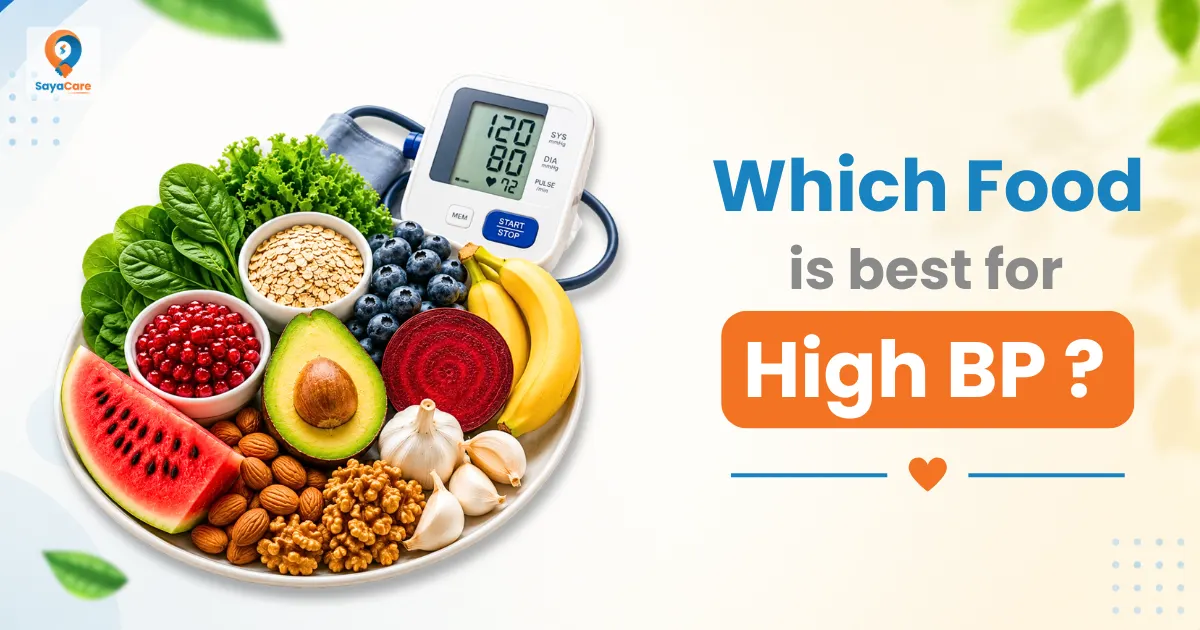
If you have high blood pressure, try to limit foods that contain too much salt, such as pickles, papads, salted snacks, instant noodles, and packaged foods. It’s also good to cut back on processed meats, deep fried foods, and foods high in saturated fat. Instead, choose fresh fruits, vegetables, whole grains, and home meals with less salt.
High blood pressure and high blood sugar are closely linked because both can damage your blood vessels over time. High blood sugar can make blood vessels less flexible, while high blood pressure puts extra effect on them. Both conditions can increase the risk of heart disease, kidney problems, and stroke. If you have diabetes or high blood pressure, eating a balanced diet, exercising regularly and monitoring your levels regularly, and following your doctor’s advice can help manage both conditions.
Yes, eating too much salt can raise your blood pressure. Excess salt makes your body retain more water, increasing the pressure on your blood vessels. For adults, the WHO recommends consuming less than 5 grams of salt per day (one teaspoon from all the food sources combined). Small changes in your daily diet can help keep your blood pressure under control.
Hypertension can sometimes be reversed, particularly when it is caused by an underlying condition that can be treated. However, primary hypertension usually requires long-term management through healthy lifestyle changes, dietary modifications, and medication when needed.
Dr. Rajeswari, a medical professional with 6 years of clinical experience, explains that high blood pressure can be managed through lifestyle and dietary changes. However, regular monitoring and medical guidance are important to keep blood pressure under control.
You can reduce blood pressure naturally by cutting down on salt, with more fruits and vegetables in your diet, walking regularly, maintaining a healthy weight, getting enough sleep, and managing stress. However, if you take blood pressure medicines, don’t stop them if you find your values are under control, always communicate with your doctor before taking any medication related decisions.
Table of Contents